Projekti „Kunstnikud on kohal“ eesmärk on suurendada kaasaegse kunsti kättesaadavust ja kohalolekut Narvas. See loob noortele võimaluse praktiseerida eesti keelt ning leida loovuse kaudu oma hääl ja enesekindlus.
NART direktor Johanna Rannula avab projekti tausta ja eesmärke: “Ida-Virumaa noortel on täna vähem võimalusi osaleda kunstis ja kultuurielus kui nende eakaaslastel mujal Eestis. Keelebarjäär ja vähene kokkupuude eestikeelse kultuuriruumiga süvendavad seda lõhet. Samal ajal on käimasolev haridusreform kohalikele koolidele suur väljakutse – noortel on vähe võimalusi suhelda keelekandjatega ning „tavaline eestikeelne kultuuriruum“ jääb sageli kaugeks ja abstraktseks“
“Mulle avaldas muljet, kuidas kunstnikud avastasid enda jaoks, et nendel on noorte Eesti identiteet kujundamisel roll ja kuidas see kujuneb läbi kunsti ja eesti keeles suhtlemise. Kunstnikud mõistsid oma tähtsust eestikeelse õppe- ja suhtlemiskeskkonna loomisel ning suhtusid sellesse loovalt ja suure vastutustundega” meenutab Anna Golubeva, Narva kolledži arendusosakonna mitmekeelse hariduse keskuse juhataja ning ühtlasi ka projekti mentor.
Tegemist on lühikese residentuuriga, kus ühes plokis osaleb korraga kolm kunstnikku ja kolm Ida-Virumaa kooli. NART pakub kunstnikele majutust Narvas, juhendamist ja korralduslikku tuge. Projekti õnnestumise tagamiseks on loodud omamoodi kunstnikke tugisüsteem: enne Narva tulekut toimuvad veebikohtumised keelementori ja koolide esindajatega; kunstnikel on võimalus jagada oma tegevuste kava ja saada sellele tagasisidet; residentuuri jooksul saab pidada nõu nii keelementori kui ka NARTi tiimiga. Kunstnikele on ette nähtud ka loomestipendiumid.
Projekt on inspireeritud mitmest eelkäijast. Lätis viidi edukalt lõpule projekt, kus 7 Läti kunstnikku viibisid 6 erinevas koolis (vt siit). Projekt “Kunstnikud kooli” kaasas väga suure hulga kunstnikke, kes käisid Lõuna-Eesti koolides. Projekt nimega „Kunstnikud koolidesse!“ korraldati riigi sajandaks aastapäevaks.
Esimest korda toimus projekt Narvas NARTi eestvedamisel 2025. aasta kevadel, kui konkursi teel valiti osalema kolm kunstnikku, kelle nädala jooksul toimunud külaskäigud koolidesse olid sisustatud nende oma äranägemise järgi töötubade, arutelude, mängude ja meisterdamisega. Projekt sai jätkuda sama aasta sügisel, mil osa võttis juba 6 uut kunstnikku ja 5 uut kooli. 2025. aasta kevadel ja sügisel toetas projekti toimumist Briti Nõukogu.
Alates 2026. aasta jaanuarist kuni 2027. aasta sügiseni toetab projekti Targa Tuleviku Fond, mis toob kaasa suurema mastaabi kui ka uuendusliku ja innovaatilise pöörde. Kunstnikke ja õpetajaid toetavad ettevalmistavad koolitused keele- ja aineõppe lõimimisest (LAK-õpe), mitmekeelsusest ja klassiruumis suhtlemisest koostöös kunstihariduse spetsialistidega nii Eesti Kunstiakadeemiast kui mujalt. EKA magistrandid tulevad appi, et pakkuda osalevatele koolidele põhikooli loovtöö ettevalmistuses tuge. Projekti vältel toimub ka põhjalik mõju-uuring.
I HOOAEG, KEVAD 2025
I hooaja konkursi võitjad valis välja neljaliikmeline žürii, kuhu kuulusid Tallinna Kunstihoone kultuuri- ja haridusprogrammide kuraator Olesja Katšanovskaja-Münd, Eesti Kunstiakadeemia graafika osakonna professor ja juhataja Liina Siib, Narva Eesti Keele Maja õpetaja Pille Maffucci ning Narva Kunstiresidentuuri juhataja Johanna Rannula.
Kunstnikud võtsid osa Anna Golubeva seminarist, kuidas töötada mitmekeelses klassiruumis. Samuti toimus Aleksei Šiškini juhitud seminar meediapädevusest. Kunstnikud olid oodatud õpilastega vestlema meediateemasel.
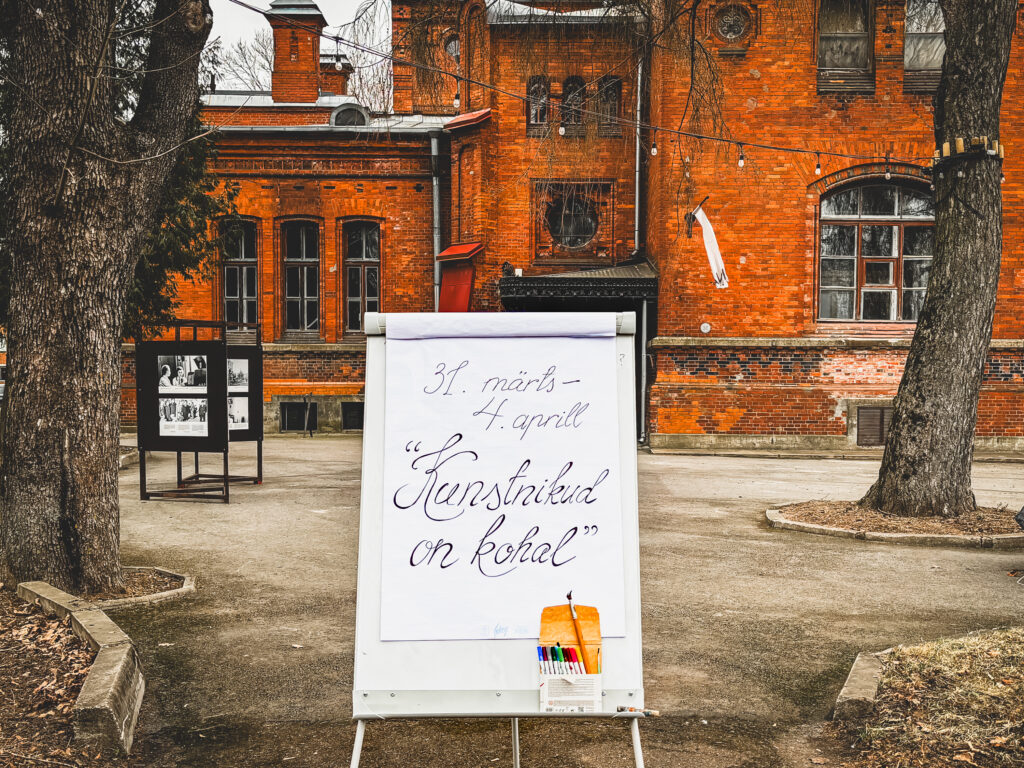
Žürii sõnul oli taotlejate tase kõrge ning Eesti kunstnike siiras huvi Narva noortega kohtuda oli meeldiv üllatus. Valiku tegemine polnud lihtne, kuid kolm kunstnikku jäid selgelt silma. Nädalase residentuuri ja stipendiumi pälvisid Helena Atkin, Daria Titova ja Liisbeth Horn. Residentuur toimus 31.03–4.04.2025.
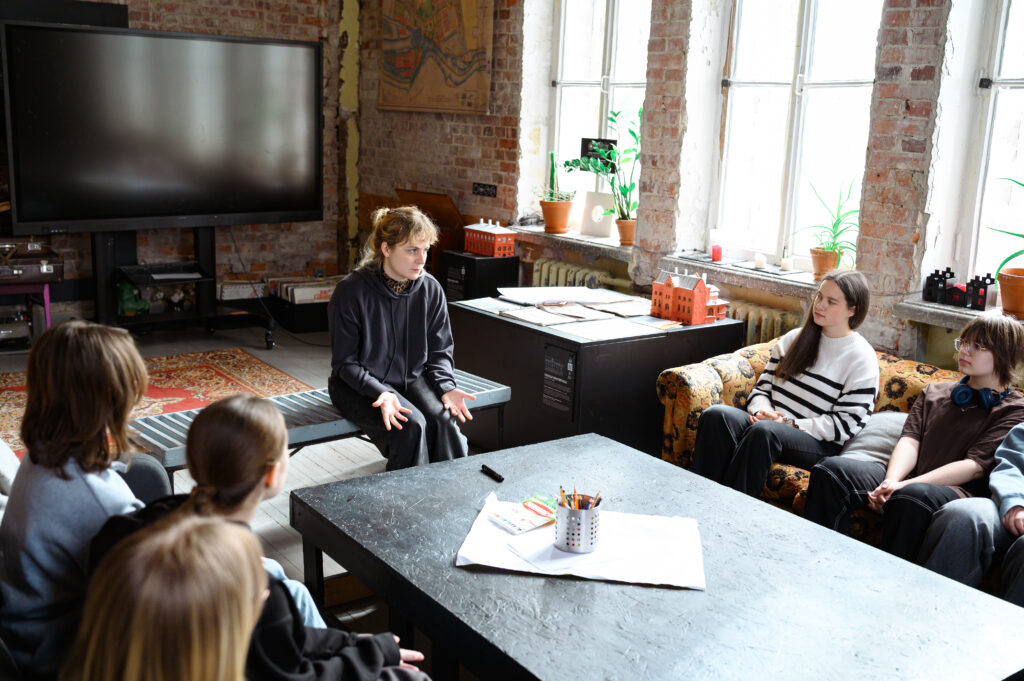
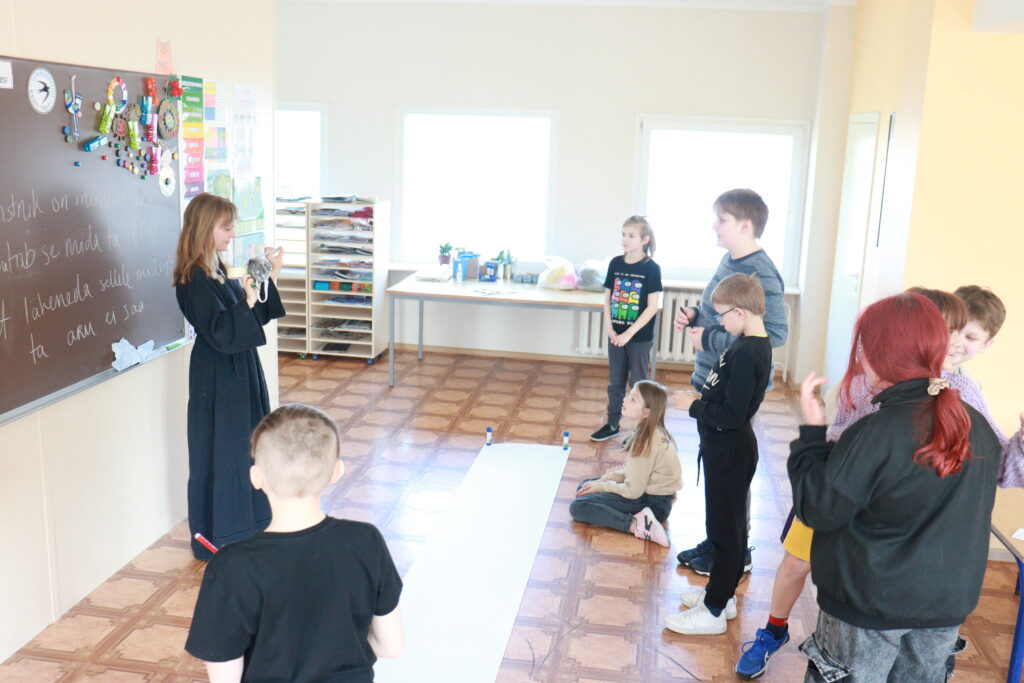
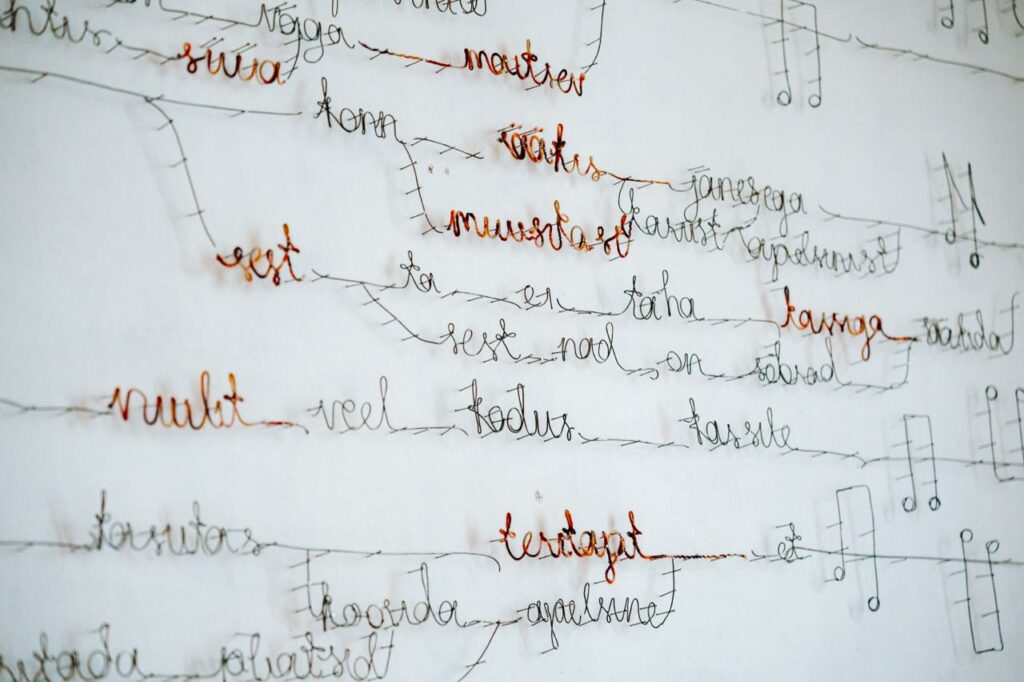
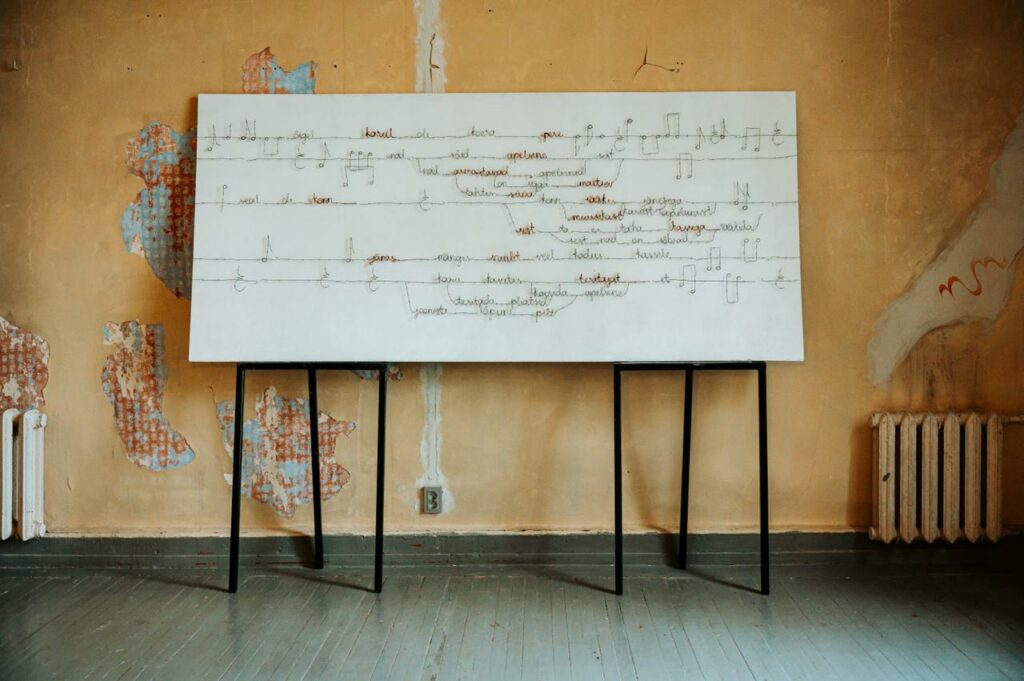
HELENA ATKIN on briti-eesti helilooja ja etenduskunstnik, kelle looming keskmes on muusika. Ta soovis innustada Narva noori ja õpetada neid märkama, et noodikirjal võib olla tähendus ka väljaspool muusikat. Noodikirja saab kasutada nii kriitilise mõtlemise, eneseväljenduse kui ka analüüsimise tööriistana.
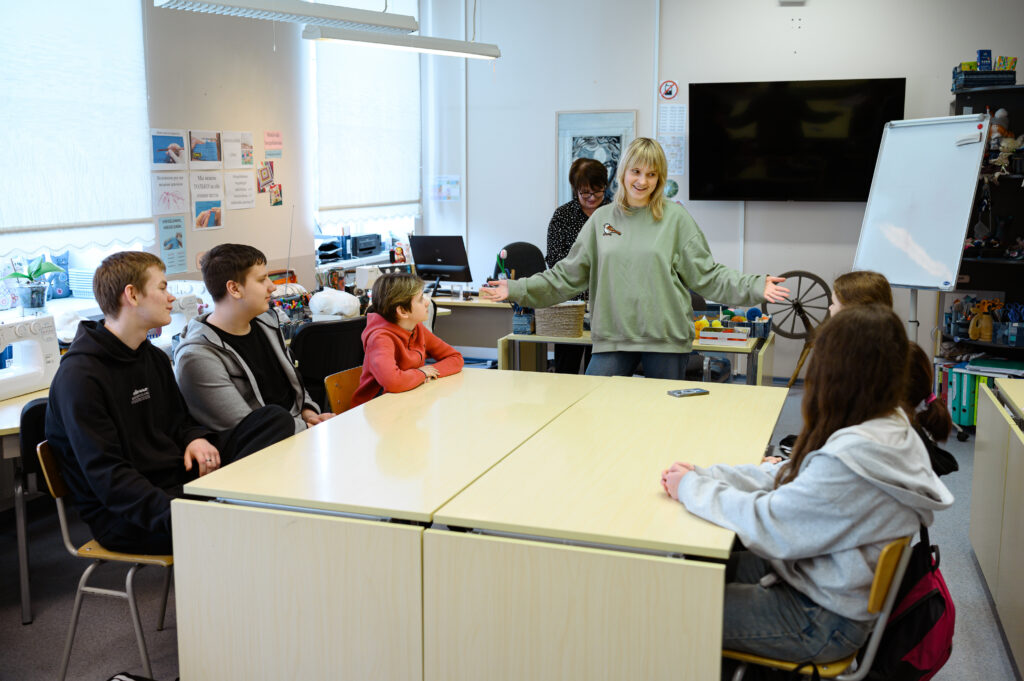
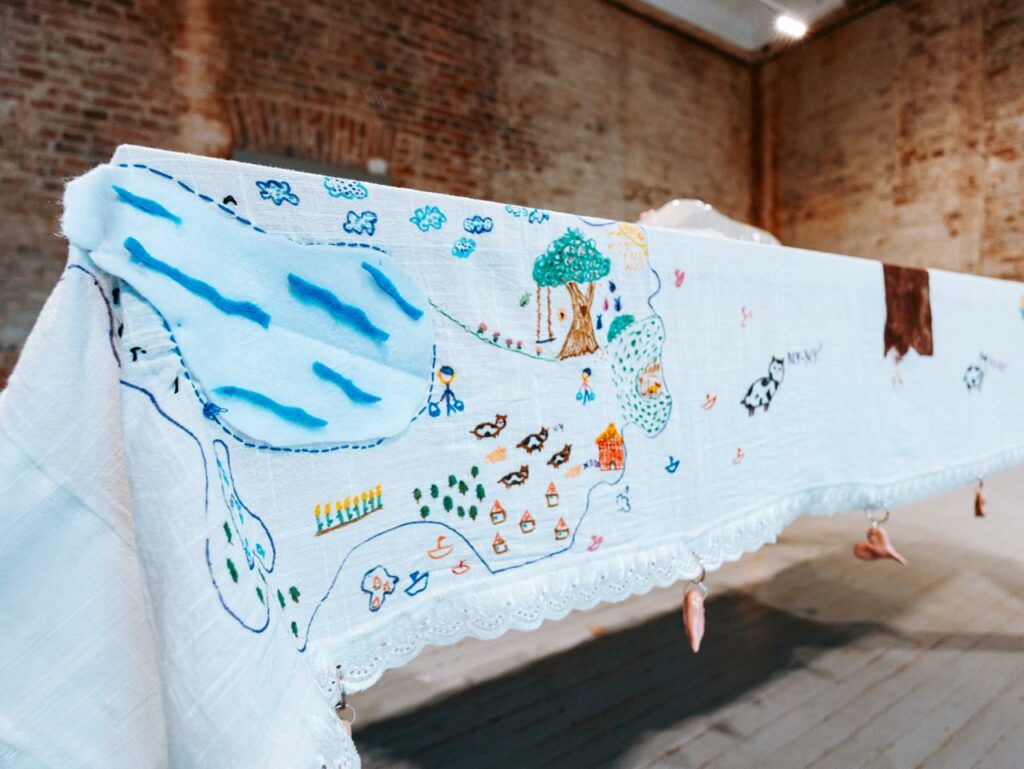
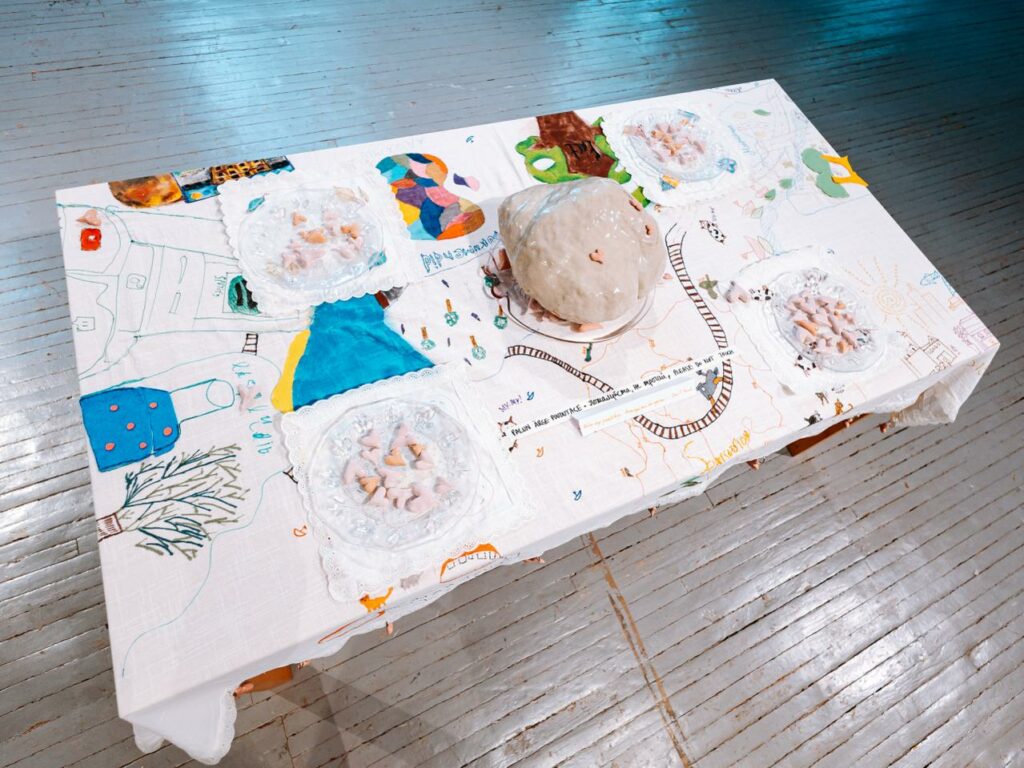
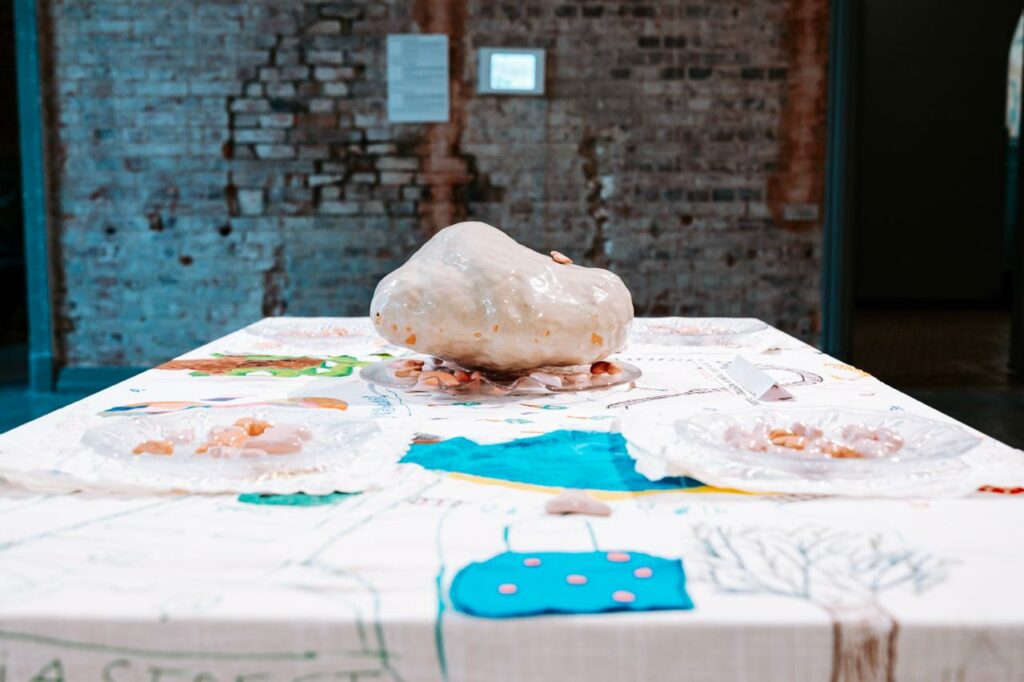
DARIA TITOVA kolis kolm aastat tagasi Ukrainast Eestisse ning on selle ajaga hästi kohanenud ja omandanud eesti keele. Tema eesmärk oli toetada Ida-Virumaa lapsi, ja tõsta nende enesekindlust eesti keele õppimisel. Daria korraldas tekstiilikunsti töötoa, kus lõikamine, õmblemine ja tikkimine oli nii keeleõppe kui ka loomingulise väljenduse vahendiks.
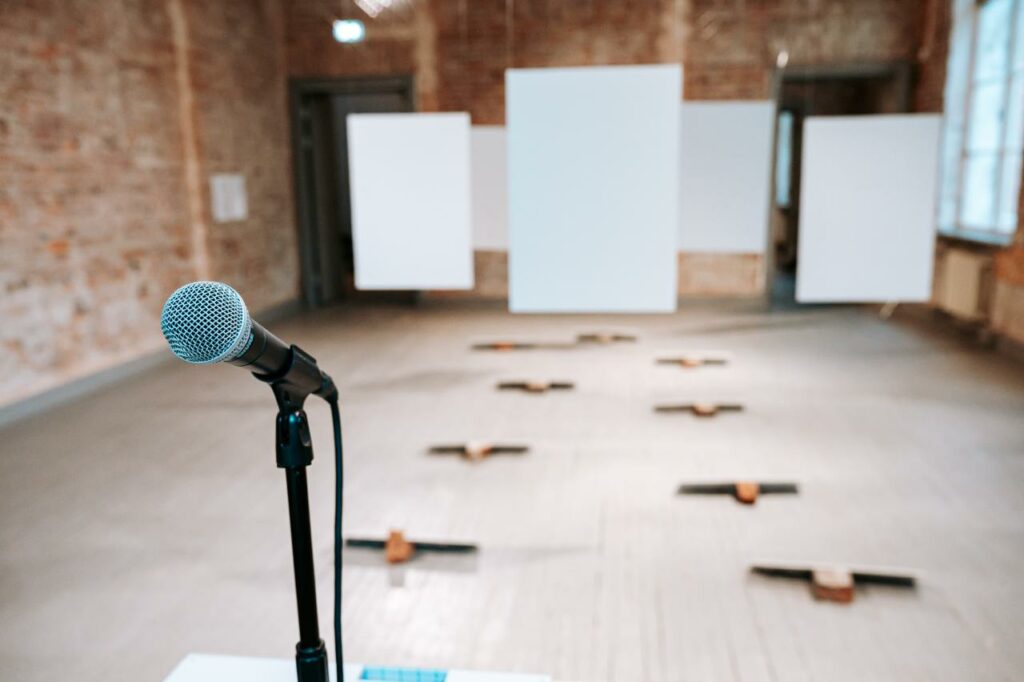
LIISBETH HORN on vabakutseline performance-kunstnik, kelle loomepraktika fookuses on aktsionism. Ta soovis anda oma panuse lõimumisse. Narva noortega töötades kasutas Liisbeth praktilisi ja kaasaegseid kunstihariduse õppemeetodeid. Tema töötubades sai arendada kunstilise uurimise, analüüsi ja dialoogi oskusi.
Sellel hooajal osalesid projektis Narva Vanalinna Põhikool, Kreenholmi Kool ja Narva-Jõesuu Kool.
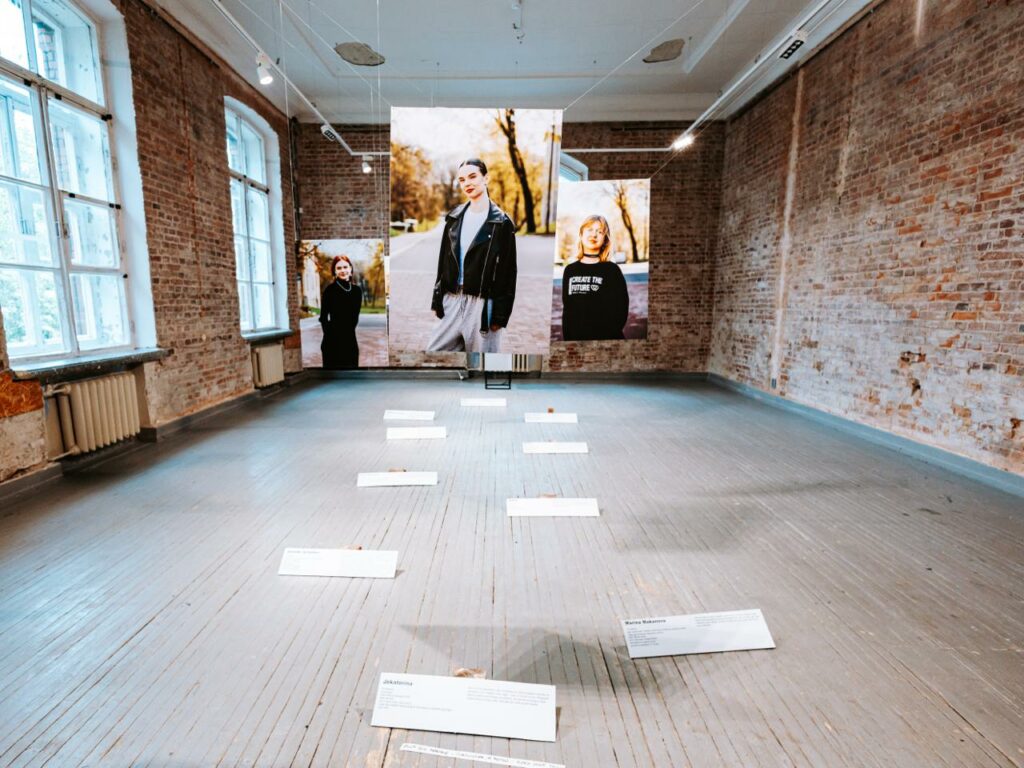
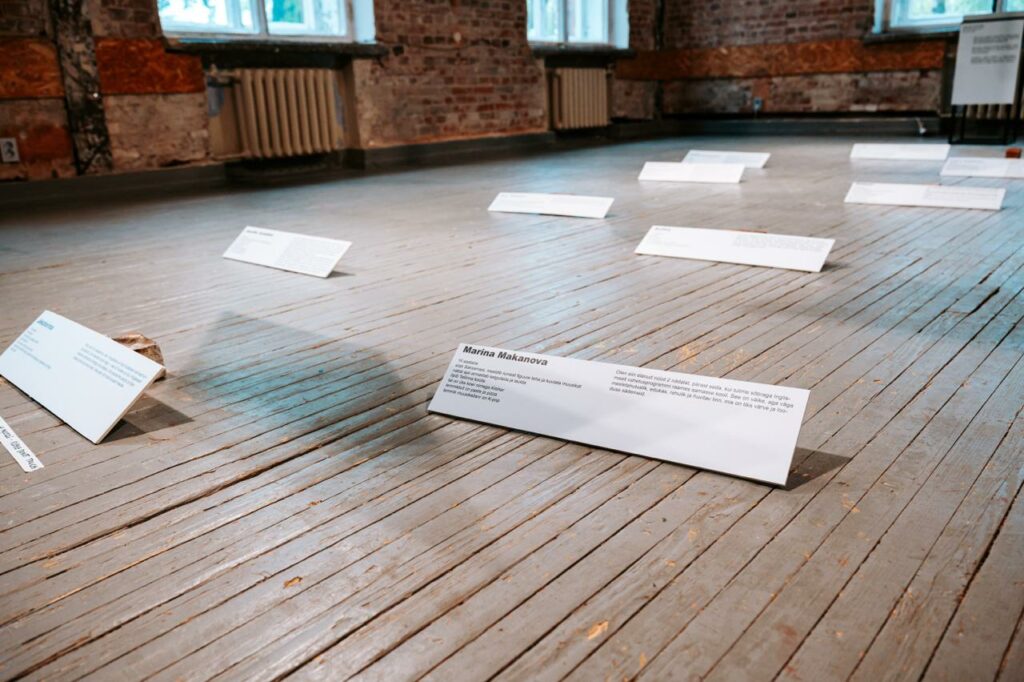
Kunstnike külaskäigud toimusid tavapäraste koolitundide ajal. Pärast koolikülastusi lõid kunstnikud kunstiteose või installatsiooni, mis peegeldas nende kogemusi. Nendest teostest koostati näitus, mis oli avatud Narva kunstiresidentuuris galeriis maikuu jooksul.
II HOOAEG, SÜGIS 2025
Sügisel 2025 loomeresidetntuuri võimalus avanes kuuele kunstnikule, kes viivad Narva koolides NARTi toel läbi loomingulisi kohtumisi perioodil 27.-31. oktoober ja 3.-7. november. Projekti kokkuvõttev üritus kunstnike, õpetajate, tiimi ja partnerite jaoks toimub NARTis 29. novembril, kus analüüsitakse kunstnike kogemusi, ning projekti mõju koolidele ja õpilastele Seejärel ilmub Tartu Ülikooli Narva kolledži tudengite kaastööna artikkel, mis avab projekti telgitaguseid ka laiema ringi jaoks.
Konkursi võitjad valis välja neljaliikmeline žürii, kuhu kuulusid Tallinna Kunstihoone kultuuri- ja haridusprogrammide kuraator Olesja Katšanovskaja-Münd, Eesti Kunstiakadeemia lektor-nooremteadur, kunstihariduse õppekava ja osakonna juht Anneli Porri, Kumu hariduskeskuse juhataja Eva-Erle Lilleaed ning Narva Kunstiresidentuuri juhataja Johanna Rannula.
Žürii sõnul oli taotlejate tase sarnaselt esimesele hooajale taaskord kõrge ning Eesti kunstnike julgus pakkuda koolidele kaasaegse kunsti kogemust mitmekesise lähenemise kaudu – vormivõtust heli ja liikumiseni välja – on inspireeriv. Nädalase residentuuri ja stipendiumi pälvisid Allan Kukk, Loora Kaubi, Silver Tsäko, Henri Hütt, Annika Sellik ja Indrek Haas.
ANNIKA SELLIKU loomingu fookuses on heli, taju ja resonantsi refleksioonid. Dialoogi loomiseks Narva Kesklinna kooli 8.-9. klaasi noortega kasutab ta välisalvestuse ja süvakuulamise meetodeid.
VON BOMB (Indrek Haas) on tuntud oma suurte muralite ja šabloonitehnikas tänavakunsti poolest. Narva Keeltelütseumi gümnaasiumi õpilased proovida kätt värvispreidega ja maalida ka kooli seintele.
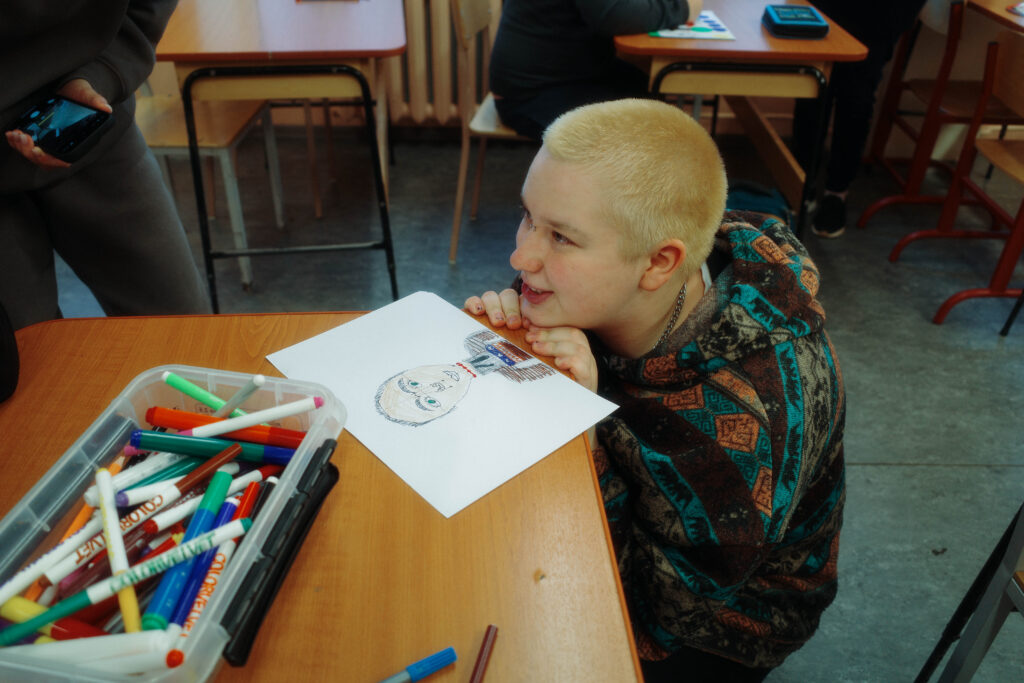
ALLAN KUKK uurib kunstnikuna joonistamise sotsiaalset aspekti. Narva 6. kooli 5. klassi õpilased saavad kunstniku juhendamisel mängida joone ja joonistamisega, katsetada uue vaate ja perspektiivi jäädvustamist.
HENRI HÜTT on (etendus)kunstnik, kelle laia loominguspektrisse kuuluvad erinevad etenduskunstivormid, lavastatud näitused, kureerimised, kirjutamised, installatiivsed seisundiruumid ja muu tabamatu, mille osaliseks saavad ka Narva Kesklinna kooli 8.-9. klaasi noored.
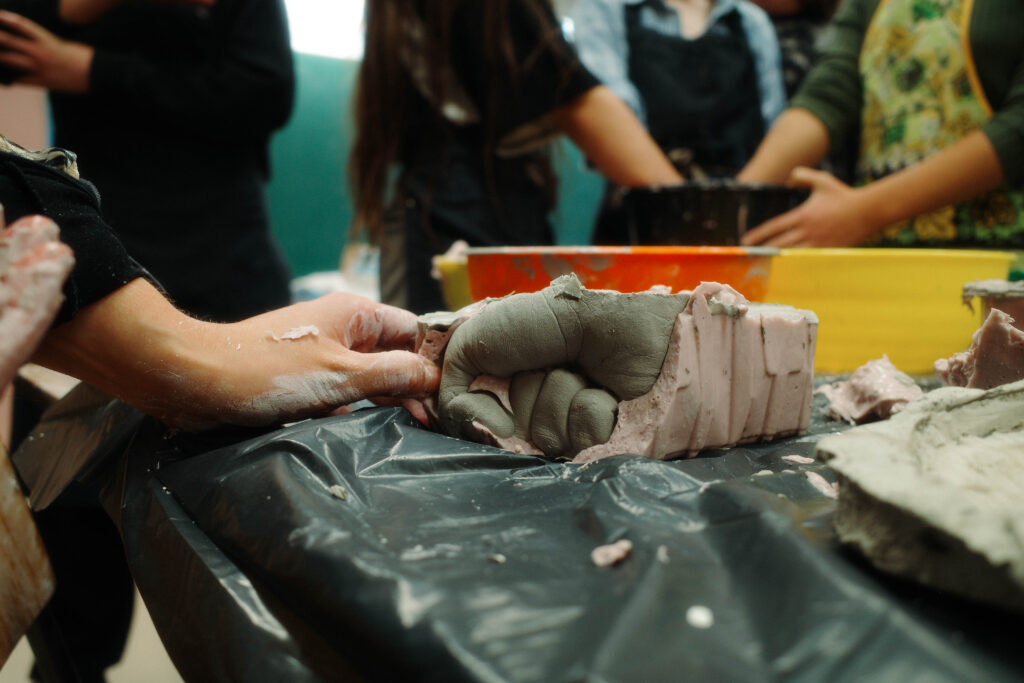
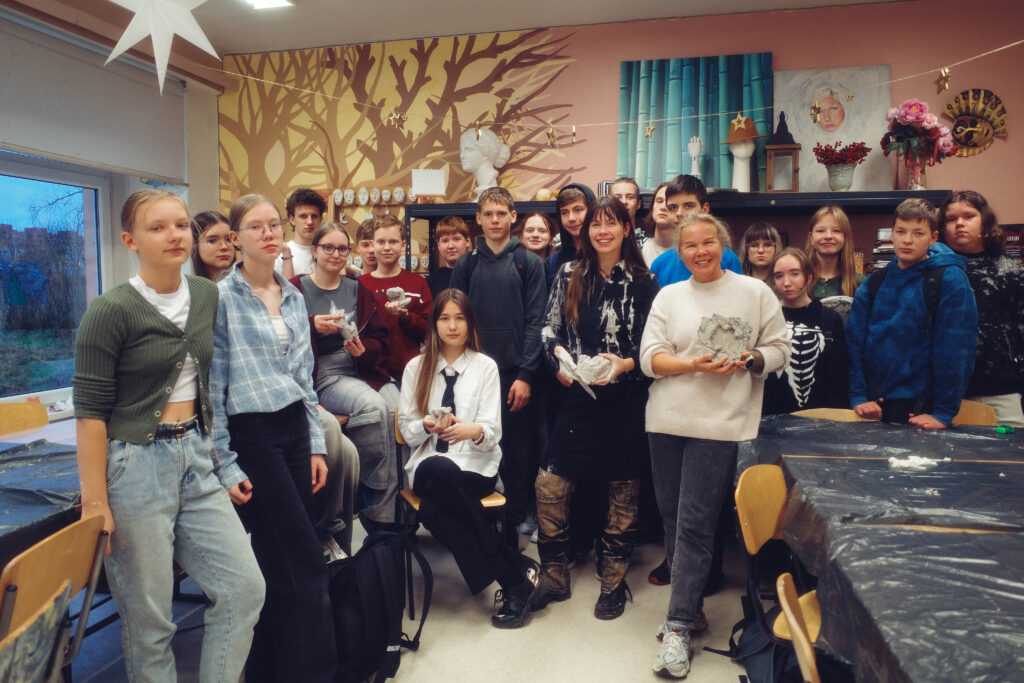
LOORA KAUBI uurib oma loomingus une, isikliku ja kollektiivse mälu ning väsimuse teemasid. Narva Pähklimäe koolinoortega aga keskendub ta vormivõtule kasutades savi, kipsi ja alginaati.
SILVER TSÄKO on noor skulptor, kes oma kunstipraktika kaudu uurib peamiselt igatsust, aja möödumist, leina ja noorust. Läbi kväär läätse kajastab ta inimesi, esemeid ja emotsioone, mida ühiskond sageli hülgab, kardab või naeruvääristab. Silver võttis vastu väljakutse kohtuda Narva Paju kooli 5. klassi HEV õpilastega ning töötada tunnetega kasutades selleks abstraktseid vorme ja erinevaid materjale.
Ettepaneku võtta projektist osa ja võõrustada kunstnikke võtsid vastu Narva Pähklimäe kool, Narva 6. kool, Narva Kesklinna kool, Narva Keeltelütseum ja Narva Paju kool.
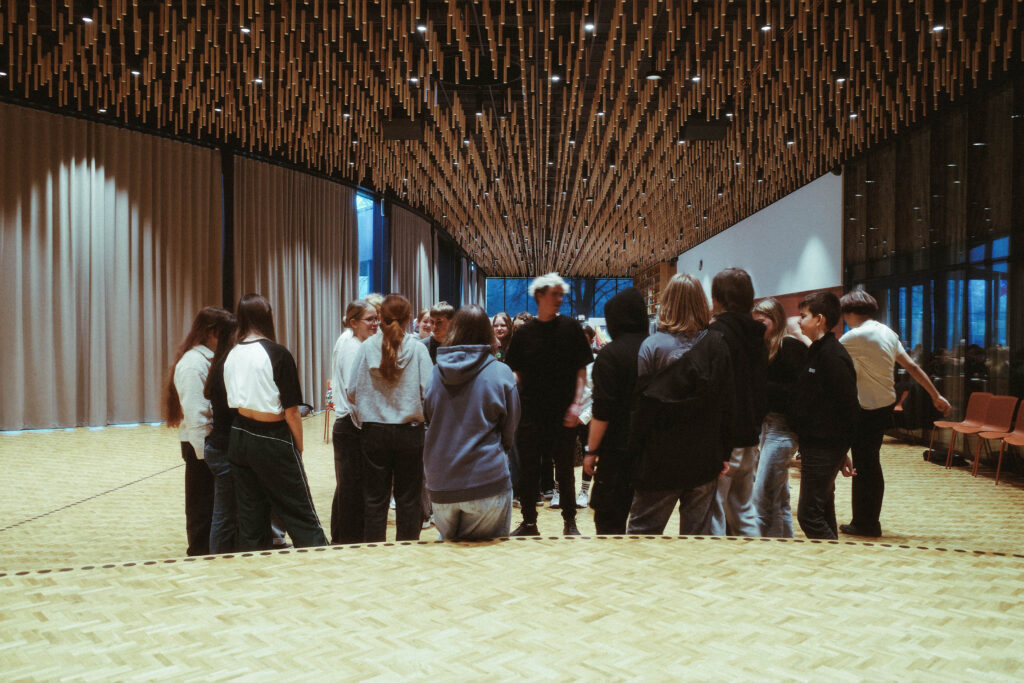
III HOOAEG, KEVAD 2026
2026. aasta jaanuarist alates toetab projekti Targa Tuleviku Fond ja missioon saab võtta veelgi mastaapsema mõõtme. Projektis osaleb pooleteise aasta jooksul üheksa Narva kooli ja 27 konkurssite teel valitud Eesti tegevkunstnikku. Iga kunstnik on piirilinnas residentuuris kaks nädalat ja kohtub õpilasgrupiga viiel päeval, et läbi viia loomingulisi tegevusi, meisterdamist, katsetamist, arutelusid.
Projekti uus etapp saab olema uuenduslik ja innovaatiline. Kunstnikke ja osalevaid õpetajaid toetatakse ettevalmistavatel koolitustel nii keele- ja aineõppe lõimimisest, mitmekeelsusest ja klassiruumis suhtlemisest. Oma tuge pakuvad Anneli Porri Eesti Kunstiakadeemiast, “Kunst loob lähedust” platvormi eestvedaja Hanna-Liis Kont, LAK-õppe koolitaja Christina Lään ja TÜ Narva Kolledži mitmekeelse hariduse osakonna juhataja Anna Golubeva.
Kolmandaks hooajaks valiti välja üheksa kunstnikku. Konkursi tähtaeg oli 8. veebruar ja igale kunstnikule on ettenähtud 1000€ suurune stipendium, transpordihüvitis jne. Märtsis ja aprillis on 9 kunstnikku Narva-Jõesuu koolis, Narva Pähklimäe koolis ja Narva 6. koolis. Järgmistel hooaegadel osalevad teised koolid. Vaata täpsemalt konkursi kohta SIIT.
Konkursiga valiti osalema Erki Kasemets, Vaim Sarv, Jevgeni Zolotko, Tea Lemberpuu, Kairi Getman, Trevor Kinna, Kerttu Siplane, Mari Männa ja Mia Tamme. Valiku teki neljaliikmeline žürii, kuhu kuulusid Anneli Porri Eesti Kunstiakadeemiast, “Kunst loob lähedust” platvormi eestvedaja Hanna-Liis Kont, tegevkunsntik Flo Kasearu ja Narva Kunstiresidentuuri juhataja Johanna Rannula. Žürii sõnul oli meeldivalt üllatav taotluste rohkus, mida oli 30 ringis. Taotlema tuli ka mitmeid põnevaid eesti kunstnikke, kelle õpingud või karjäär on kulgenud piiritaga.
Tutvu kunstnikega:
TEA LEMBERPUU keskendub residentuuris mõttele, et eksimine ei ole viga, vaid loomuliku õppimise ja loomeprotsessi osa. Narva koolinoortele loob ta võimalusi improvisatsiooniks, joonistamiseks ja kaameravabaks fotograafiaks.
MARI MÄNNA võtab fookusesse skulpturaalne mõtlemise ja ruumilise kunsti võimalused, mida ta on õpetanud ka EKA eelakadeemias. Õpilastega kasutab ta selleks ühe minuti skulptuuride tegemist, savi modelleerimist ja leidobjekte.
TREVOR KINNA on interdistsiplinaarne noor kunstnik, kes õpib EKAs animatsiooni. Narvas käsitleb ta animatsiooni eneseväljenduse vahendina, et koos kooliõpilastega luua liikuvaid pilte.
VAIM SARV on Kanadas sündinud eesti kunstnik ja koos õpilastega viib ta läbi regilaulu töötubasid, mis arendavad keelt, avaliku esinemise oskust ja eneseväljendust. Ta jagab maandavaid hääle harjutusi ja liikumispraktikaid.
KERTTU SIPLANE töötab taaskasutusmaterjalidega ja loob skulpturaalseid objekte. Narva noortele pakub ta võimalust töötada raamatudega kui materjaliga, tooraeinega. Samuti on oluline töö raamatu kui mälu, info, keele ja väärtuste kandjaga.
ERKI KASEMETS on installatsiooni-, maali-, performance’i- ja teatrikunstnik, ja kohalikule publikule on ta tuttav eelkõige prügikunsti poolest. Narvas on Kasemetsal plaanis kasutada (kunsti)tööriistu ja ideid olemasolevast instrumentaariumist.
JEVGENI ZOLOTKO, kes on vabakutseline kunstnik Tartust, teosed kaevuvad teadvuse ja kultuuri sügavamatesse kihtidesse. Kohtumistel õpilastega kasutatakse vanu raamatuid joonistamisteks ja installatiivse väljapaneku loomiseks.
MIA TAMME keskendub tekstiilile kui kollektiivsele eneseväljendusvahendile, ning rõhutab käsitöö ja traditsiooniliste tehnikate rolli kaasaegses kunstis. Nädala jooksul loovad õpilased isiklikke lippe, millest lõpuks sünnib suur ühislipp.
KAIRI GETMANi looming põhineb loodusel, pärandil ja taaskasutusel. Narvas plaanib ja õpilastele tutvustada lehetrükki, lihtsat taimvärvimist ja eco-print’i paberile ning puuvillale.
IV HOOAEG, SÜGIS 2026
Narva kunstiresidentuuri eestvedamisel on alates 2025. aasta algusest alates käinud 18 eesti kunstnikku Narva koolides. Nüüd valiti konkursiga välja järgmised kunstnikud, kes osalevad oktoobrist novembrini projektis “Kunstnikud on kohal”. Loomeresidentuuri võimalus avaneb üheksale kunstnikule: Riina Õun, Paulina Belik, Kaili-Angela Konno, Oliver Issak, Katrin Tani, Caroliina Ladva, Marta Konovalov, Triinu Jürves ja Kristina Norman.
Seekord kuulusid žüriisse Anneli Porri (Eesti Kunstiakadeemia), Hanna-Liis Kont (“Kunst loob lähedust”), Taavi Suisalu (kunstnik) ja Erki Kasemets (projekti eelmise hooaja osaleja).
Projekti uus etapp saab olema uuenduslik ja innovaatiline. Kunstnikke ja osalevaid õpetajaid toetatakse ettevalmistavatel koolitustel nii keele- ja aineõppe lõimimisest, mitmekeelsusest ja klassiruumis suhtlemisest. Oma tuge pakuvad Anneli Porri Eesti Kunstiakadeemiast, “Kunst loob lähedust” platvormi eestvedaja Hanna-Liis Kont, LAK-õppe koolitaja Christina Lään ja TÜ Narva Kolledži mitmekeelse hariduse osakonna juhataja Anna Golubeva.
“Kunstnikud on kohal“ programmi eesmärk on suurendada kaasaegse kunsti kättesaadavust ja kohalolu ning pakkuda noortele võimalust praktiseerida eesti keelt, mis on käimasolevat haridusreformi arvestades eriti oluline. Vastselt väljavalitud kunstnikud suunduvad Narva Kreenholmi kooli, Narva Keeltelütseumisse ja Narva Õigeusu Gümnaasiumisse.
Iga kunstnik viibib piirilinnas kahe nädala jooksul ning kohtub viiel-kuuel päeval õpilasgrupiga. Kohtumiste käigus viiakse läbi loomingulisi tegevusi, meisterdatakse, katsetatakse erinevaid tehnikaid ning arutletakse kunsti ja loovusega seotud teemadel. Igale kunstnikule on ette nähtud 1000 euro suurune stipendium.
Nii kunstnikud kui ka projektis osalevate koolide õpetajad saavad tuge koolitustel ja mentorkohtumistel, mida viivad läbi Anneli Porri, Hanna-Liis Kont, LAK-õppe koolitaja Christina Lään ja TÜ Narva Kolledži mitmekeelse hariduse osakonna juhataja Anna Golubeva. Projekti toetab Targa Tuleviku Fond.
Tutvu kunstnikega:
RIINA ÕUN
Riina Õun on materjaliuurijast disainer, kelle fookuses on näiteks biomaterjalid ja ringdisain. Ta tegutseb rahvusvaheliselt nii õppejõu kui kunstnikuna. 2024. aastal oli ta „England Maker of the Year“ auhinna finalist.
Tema õpitubades hakkavad õpilased valmistama toidujäätmetest uusi materjale, millest saab vormida skulptuure. Teosed eksponeeritakse õues, kus nad ajapikku lagunevad ja rikastavad ümbritsevat keskkonda.
PAULINA BELIK
Paulina Belik on Narvast pärit multidistsiplinaarne kunstnik ja animaator. Ta on õppinud Tartu Kunstikoolis ja Eesti Kunstiakadeemias ning on osalenud näiteks Annecy filmifestivalil.
Belikuga loovad õpilased taaskasutatud materjalidest nukke, mis aitavad neil väljendada oma mõtteid, tundeid, huvisid ja unistusi. Eesti keeles õpitakse tundma erinevaid materjale, rahvusmustreid ja võimalusi taaskasutuseks.
KAILI-ANGELA KONNO
Kaili-Angela Konno (Angela Soop) on maalikunstnik ja kunstiõpetaja, kelle loomingus kohtuvad isiklik mälu, sõja ja rahu, loodus ning inimese sisemaailm. Tema teostes põimuvad tundlik kujundikeel ja ühiskondlik mõtestamine. Ta on lõpetanud Eesti Kunstiakadeemia maalikunsti erialal ning omandanud magistrikraadi kunstihariduses. 2026. aastal oli ta Kristjan Raua aastapreemia nominent.
Konno tundides hakkavad õpilased vaatlema, kuulama, arutlema, koguma inspiratsiooni, kavandama ja looma ise kunstiteoseid. Töö käigus katsetatakse sõna, heli, kujundi ja materjalidega ning valminud teoseid esitletakse ühisel näitusel.
OLIVER ISSAK
Oliver Issak tegutseb kaasaegse kunsti ja etenduskunsti valdkonnas dramaturgi ning kultuurikorraldajana. Ta on õppinud Tartu Ülikoolis semiootikat ja kultuuriteooriat ning Eesti Kunstiakadeemias sotsiaalset disaini. Tema looming keskendub teatri ja ühiskonna seostele ning inimeste, kogukondade ja institutsioonide vahelistele suhetele. Üheks tema olulisemaks saavutuseks on Eesti Teatriliidu juhatuse auhind 2022. aastal aktsioonide „33 KÕNET“ ja „Varivolikogu“ eest.
Töötoa „Performatiivsed rännakud tulevikku“ käigus uurivad noored utoopia, tuleviku ja kujutlusvõime võimalusi kunstis. Õpilased loovad oma isiklikke tulevikunägemusi, millest sünnivad performatiivsed rännakud ehk kunstilised teekonnad. Hiljem koondatakse lood ja ideed 2026. aasta utoopiate kogumikuks.
KATRIN TANI
Katrin Tani on kaasaegse tantsu kunstnik, tantsija ja koreograaf, kes lõpetas 2025. aastal London Contemporary Dance School’i bakalaureuseõppe. Tal on mitmekülgne esinemis-, koreograafia- ja õpetamiskogemus ning soov arendada edasi oma kunstilist keelt ja praktikat.
Töötubade sarjas „Meie juured“ käsitleb Tani keelt ja tantsu kui kultuuri ning eneseväljenduse kandjaid. Tantsu, liikumise, mänguliste ülesannete, arutelude ja kollaažide kaudu uuritakse Narva ja ülejäänud Eesti ühiseid ning erinevaid juuri, identiteeti ja kultuurilist pärandit. Eesmärk on luua turvaline ruum eneseväljenduseks, avastamiseks ja koostegutsemiseks ning äratada noortes julgus ja uudishimu kaasaegse kunsti vastu.
CAROLIINA LADVA
Caroliina Ladva on tekstiilikunstnik, kelle looming ühendab sisekaemuse, looduse ja identiteedi teemad materjalipõhise ning eksperimentaalse lähenemisega. Ta põimib traditsioonilisi käsitöövõtteid kaasaegsete ideedega, uurides mälestuste ja keskkonna vahelisi seoseid. Ladva on lõpetanud Pallase tekstiili eriala ja õpib Tartu Ülikoolis kultuurikorraldust. Ta on täiendanud end Soomes ja Itaalias ning osalenud mitmetel näitustel Eestis.
Ladva töötuba tutvustab osalejatele gobeläänikunsti läbi intuitiivse ja eksperimentaalse kudumise. Katsetatakse erinevate lõngade, tiheduste ja tühja ruumiga, mille tulemusel valmivad isikupärased ja taktiilsed gobeläänid.
MARTA KONOVALOV
Marta Konovalov on disainer, loovuurija ja õppejõud, kelle looming keskendub parandamisele, taasloovale tekstiilidisainile ja keskkonnahoiule. Ta uurib, kuidas muuta esemete eluiga pikemaks ning väärtustada olemasolevaid materjale. Konovalov on EKA doktorant ja lektor.
Noored uurivad, kuidas plekke, kulumist ja katkisi rõivaid loovalt ümber kujundada ning muuta need uuteks mustriteks. Õpitakse paikamist, nõelumist, kudumist ja põimetehnikaid. Eesmärk on mõtestada oma suhet rõivastega ning liikuda passiivsest tarbimisest aktiivse ja hooliva kasutamiseni.
TRIINU JÜRVES
Triinu Jürves on interdistsiplinaarne kunstnik ja kunstiõpetaja, kelle looming ühendab kollaaži, objekte ja installatsioone ning käsitleb isiklikke ja ühiskondlikke teemasid. Ta on tegutsenud Noolegrupis, õpetab kunsti KUMU hariduskeskuses ning koordineerib galeriisid Metropol 6m² ja Metropol Kapp.
Jürves tutvustab õpilastele kaasaegse kunsti põhimõtteid praktilise ja kogemusliku tegevuse kaudu. Eesmärk on liikuda traditsioonilisest kujutamisest edasi kunsti kui eneseväljenduse, suhtlemise ja ruumis tegutsemise juurde. Õpilased töötavad individuaalselt ja grupis, kasutavad erinevaid materjale, esemeid, ruumi ja telefone. Ülesanded ühendavad mitmeid kaasaegse kunsti vorme ja vahendeid nagu keha, joonistus, heli, video, objekt, installatsioon, foto ja tekst.
KRISTINA NORMAN
Kristina Norman on interdistsiplinaarne kunstnik, kes tegeleb kollektiivse mälu, ajaloo, avaliku ruumi ja ühiskondlike teemadega. Ta on esindanud Eestit Veneetsia biennaalil kahel korral. Tema värskeim teos on 2025. aastal esietendunud dokumentaallavastus „Kastepunkt“, mis käsitleb nõukogude militarismi pärandit ja turvatunde küsimusi. Norman on õppinud Eesti Kunstiakadeemias ning jätkab alates 2026. aastast doktorantuuris.
„Kollaaž kui mälu“ on loovtöötuba, kus õpilased uurivad piltide ja tekstifragmentide abil isikliku ning perekondliku mälu kujutamist. Juhuslikest ajalehe- ja ajakirjamaterjalidest valmib kollaaž teemal „Minu pere lugu“. Töötuba tutvustab dokumentalistlikku mõtteviisi ja loomingulist materjaliga töötamist.